



Klear, Inc.
2021 Fillmore Street
San Francisco, CA 94115
+1 (415) 599-7554
From Domestic Finance to Global Supply Chains
I could write all 52 installments of this series about the challenges of selling globally. When I first flew to Kigali Rwanda in 2013 to dive headlong into international supply chains, I was one of the video gamers from my last installment. I had spent a decade, quite successfully, building domestic asset management companies. We bought and sold stocks and bonds (and all of the various containers that hold them) for wealthy people and families. We traded abstracted financial instruments through computers and delivered reports and we told stories about how what we did was better than indexing. I left that world…

The Original Plan: Building a Global Trade Flywheel
When we launched Kountable with a highly publicized and highly attended launch event in downtown Kigali, we ended up with $10M in orders on the platform, on our website actually before we actually had a platform. We noticed that the business that had signed up were selling for Abbott, Becton Dickinson, Mitsubishi, Lenovo and Cisco and that many others were selling to Walmart, Cargill and Starbucks. As clever and experienced American financiers we devised a plan where we could invest USD (dollars) from a hedge fund to buy health care commodities to improve healthcare delivery in Rwanda and then collect RWF (Rwandan Francs) from the government and use them to buy coffee from the coffee farmers who were selling coffee to Starbucks and getting paid is USD to renew the cycle.
Amazing!!! Importing better healthcare, exporting a quality product, impacting local entrepreneurship and supporting growth all around while making a little spread on each trade. We were masters of the global economy. The plan was perfect.
We approached one of the most successful coffee farmers in Kigali and presented our plan. His name was Fabrice and I remember where I was standing and the scent of wet clay in the air when he provided his answer. It was one of those moments where my understanding of things shifted. He said:
Chris, you misunderstand my business, you think I grow coffee to sell it to America to make my profits. I don’t. I grow coffee to sell it to America so I can acquire dollars and then I sell dollars in Rwanda to make my profits.
I’ll explain it further but read it again one more time if it is confusing. It stopped me dead in my clay caked tracks and I remember it clear as day and it was 13 years ago.
Understanding Currency as a Commodity
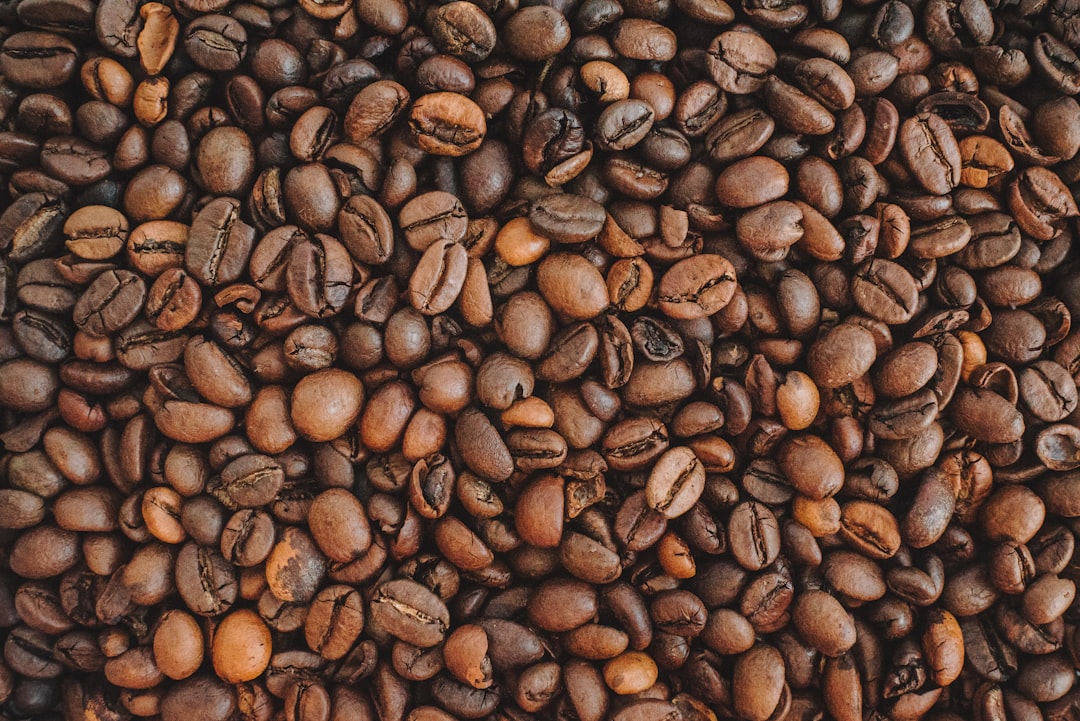
Coffee beans are everywhere in Rwanda. It is one of their greatest sources of income and something for which they remain world renowned. The climate and the clay and the rolling hillsides combine to create a taste and aroma that we’ve all come to know and love. Hundreds of thousands are involved in the planting, farming, picking, pulping, hulling, roasting, packing, transporting and exporting of coffee.
Fabrice was at the end of the chain. He was an exporter who’s job was to negotiate with the global market for access to top tier Rwandan coffee and in return, he got paid in dollars. Unlike coffee, in Rwanda and in most other emerging markets, dollars are scarce. What Fabrice realized is that he could take something that was ubiquitous and trade it for something scarce and then sell that scarce thing for MORE margin than the high end (it was delicious) coffee coveted by Americans. Fabrice was making more profit selling dollars than he was selling coffee!!
If you’re an American who hasn’t traveled extensively, this might take a minute to sink in but if you’re from one of the US-adjacent emerging markets like Brazil, The Dominican Republic, Cuba or Mexico or even our neighbor to the north Canada, this is a skill you learned something about growing up.
A Familiar Example: Currency in Everyday Life

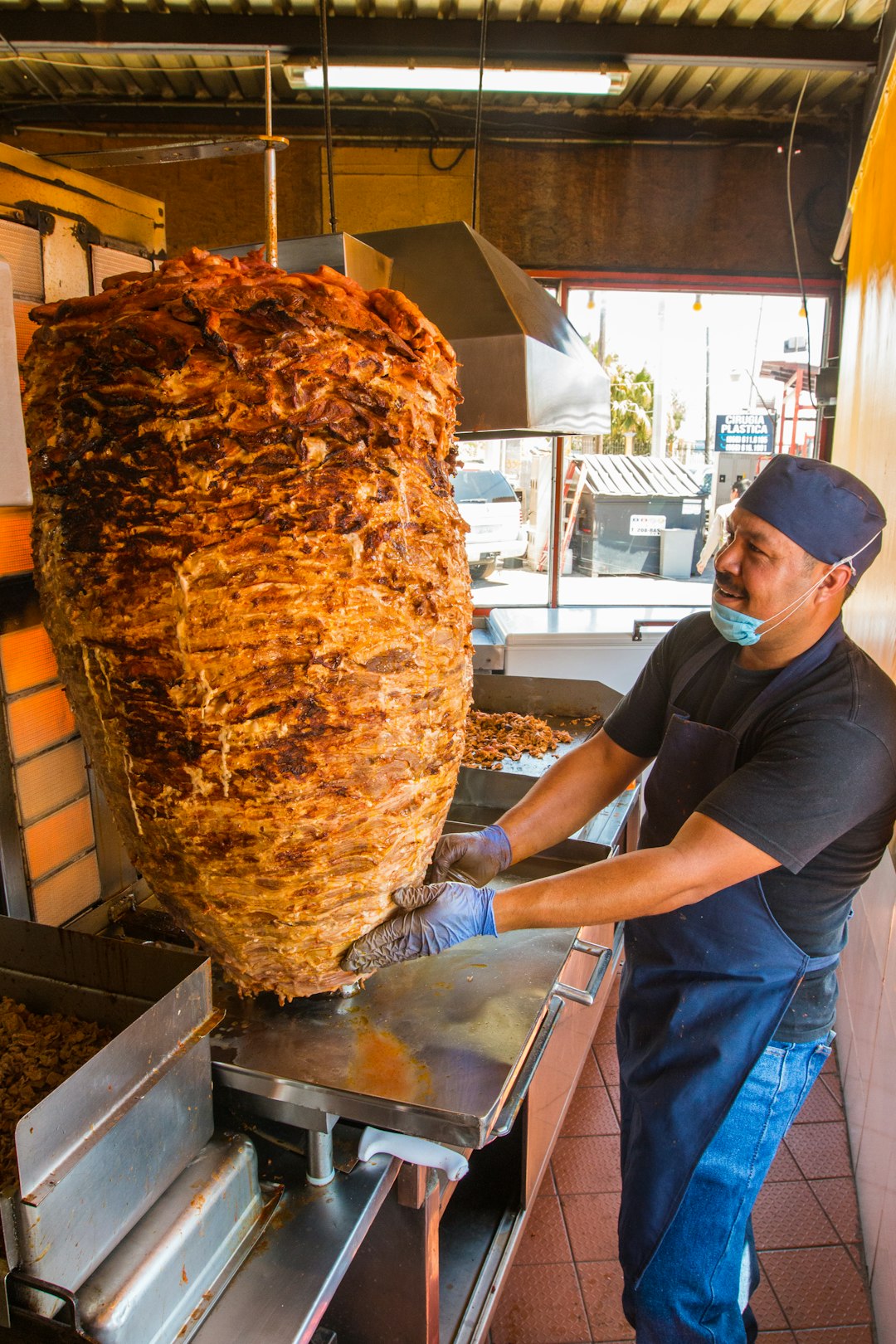
Currency is something you buy and sell. It needs to be sourced, acquired and purchased to accommodate commerce. It is a critical step in the chain and can have meaningful consequences in the value of the transaction. Most Americans have had some experience with this when they “sell” dollars to “buy” a “weaker” currency like say Mexican pesos and then acquire something in exchange for those pesos that is fantastic (like Street Tacos al Pastor in Mexico City) for a fraction of what it would cost to buy something of lower quality where they’re from. This “wow I can’t believe something this good is this ‘cheap’” is the result of the infinite dance between currency and supply chains. Hopefully that retail example triggers some memory for you reader because now I am going to move back into the less familiar territory of understanding the impact of currency on industrial supply chains.
Currency in Healthcare Supply Chains
Let’s leave Mexico City for now and go back to Kigali, Rwanda to examine the implications of currency on healthcare outcomes. The impact is the most acute and market distorting I’ve witnessed in decades of doing this work.
Much of healthcare funding in emerging markets is donor funded. This is capital committed by foreign governments like the US, EU and China or global NGOs like The Global Fund, The Gates Foundation, The Red Cross, The World Bank or The UN (I know those last two are not technically NGOs but let’s stay focused). These large multi-national organizations commit dollars to local governments.
Those governments issue orders called “tenders” in local currency, those orders are won by local suppliers and distributors for large healthcare OEMs - original equipment manufacturers - like Abbott, Becton Dickinson, SD Biosensor, Roche and others. These OEMs want to get paid in dollars before they ship an order from where it is made - far away - to where it is needed in the market. The government typically won’t pay, in local currency, until the orders show up on their loading dock in the market. So what does this mean for the small business? Let’s not forget Fabrice…

The 12-Step Supply Chain Breakdown
Let’s unpack the sequence of what needs to happen and then examine what this does to 1) the impact of each donor dollar 2) the price of the healthcare commodity 3) the risk of the underlying transaction 4) the price of the healthcare commodity as it moves through the chain 5) the profit of being a healthcare supplier. I’m going to keep it as simple as possible….
- The donor allocates USD to the cause (eliminate malaria)
- The government receives the USD and issues an order into the market in local currency
- The small business wins the order
- The small business places an order with the large global OEM in USD
- The OEM accepts the order and issues an invoice in USD
- The small supplier goes out to find a lot of USD
- The small business supplier pays the OEM the required USD
- The OEM ships the order
- The small business clears the order through customs and pays for last mile delivery in local currency
- The delivery is completed by the small business and accepted by the government
- The small business invoices the government in local currency
- The government pays the small business supplier in local currency
The “Fabrice Perspective”: Where Costs and Risk Accumulate
When you break down this process through the wise eyes of our metaphorical Fabrice you can see why a malaria kit that costs $4.25/unit to manufacture in South Korea and $0.84/unit to ship to Nairobi, costs $19 on the shelf in the Kenyan pharmacy. Here is the “Fabrice” perspective inline with the 12 step process below:
- OK
- My government keeps the dollars because they’re too valuable in our dollar starved economy to pay out to a local supplier. Donor money = new USD to the government. The government creates a “short USD” position in the trade by doing this right at the front. (Short, long, hedged, naked for another post)
- OK
- OEM wants dollars too not local currency, but we knew that.
- If I want these precious diagnostics that I can sell at a meaningful premium due to market failures, I need find dollars.
- I need to find USD cheap enough that it won’t eat all my margin or at least make sure my margin is large enough. Where am I going to get the local currency to buy the USD? I need to borrow it. I better make sure my margin is high enough to cover the borrowing costs. I just had to pledge my house to borrow that money to buy those dollars! What if something goes wrong? I better make sure my margin is high enough to account for the risk I’m taking in pledging my house.
- Oof, that’s a lot of dollars I found and had to send off in advance to the OEM! I hope nothing goes wrong with the shipment. I better make sure my margin is high enough to account for that risk.
- OK
- Thank god the materials are here and I can clear in local currency but I better include the cost of that step and the cost of borrowing the money to complete that step in my margin. Thank god it’s high enough.
- OK
- I hope the government accepts and processes and stamps my invoice and then pays on time…for the first time ever. I better factor those delays into my margin.
- I should probably count on them not paying us on time so we should factor that into the margin.

The Bigger Insight: Currency, Risk, and Global Pricing
Getting the picture? The interaction of risk management and risk transfer, currency management and supply chains have the same in influence every product everywhere. Money itself, and all it’s different flavors called currencies, have a supply and demand curve just like the energy, metals, or compute needed to deliver a product or service.
It can be scarce as a whole or we can be short a given flavor. The reality shaping up around us today is that we are rapidly moving from a period of capital abundance to a period of capital scarcity and most supply chains and the tier 2-n suppliers that it is made up of are not ready for what is coming.
This story is just one acute example I experienced in the years I worked in cross border healthcare supply chains and I can assure it continues and is worse today.
What I didn’t realize until my board sat me down in 2022 was that this same thing was happening to many of their portfolio companies and is endemic to the lower tiers of most global supply chains. Their portcos though are critical suppliers in some of the most important and supply chains in western economies, inflating costs and injecting massive schedule risk in aerospace and defense, autonomy, energy, transportation, specialty logistics, government services, even AI data centers. Our ability to innovate is dependent on solving this problem in a high stakes and capital constrained global economy. I’ll write about that in my next update Time is money.