



Klear, Inc.
2021 Fillmore Street
San Francisco, CA 94115
+1 (415) 599-7554
The companies building the most important technologies of our time — AI, green tech, robotics, defence, and space — share a financial vulnerability that rarely makes headlines: they're running out of cash not because they're failing, but because of how money moves through their industries.
Emerging industries face a structural liquidity problem. Long enterprise contract cycles, capital-intensive operations, and underdeveloped supply chains mean that working capital gets trapped for months — locked inside purchase orders, invoices, and receivables — while operational costs keep running. At the same time, macro pressures are making the problem worse. The $2.6 trillion global lending gap (up from $1.5 trillion in 2020), the highest inflation in 40 years, and rising interest rates have tightened access to external capital precisely when these industries need it most.
The cash conversion cycle is your most important strategic lever
Most founders think about working capital as a finance problem. It's actually a growth strategy. The Cash Conversion Cycle — the time between paying your suppliers and collecting from your customers — determines how much of your own capital is available to fund operations, hire, and invest in the next opportunity.
Companies that shorten their CCC by reducing inventory, accelerating collections, and optimising payment terms free up internal cash without raising a single new dollar. They extend their fundraising runway, reduce dependency on expensive debt, and avoid the dilution that comes from bridging operational gaps with equity.
The double-edge problem most guides ignore
Here's what makes emerging industries different: when large, established companies optimise their own cash conversion cycle, they do it by extending payment terms with their suppliers. Those decisions cascade down the supply chain. Tier 1 suppliers wait longer to get paid. Tier 2 suppliers — often the innovative, early-stage companies building critical technology — wait even longer.
According to Asian Development Bank Institute research, leading innovators are more likely to face funding difficulties during cyclically worsening periods, and the effects can persist for more than two years after the gap closes. The companies least equipped to absorb working capital risk end up absorbing the most of it.
What needs to change
Large corporations connected to emerging industry supply chains can help by mandating supply chain transparency, monitoring the financial health of small suppliers, and collaborating on cash flow forecasting rather than simply pushing payment terms downstream.
Growth companies can protect themselves by building robust financial models early, centralising cash flow visibility, and diversifying financing strategies beyond equity — including tools that activate capital already locked in their order book.
The bottom line: working capital management isn't back-office housekeeping. For companies in AI, green tech, robotics, defence, and aerospace, it's the difference between scaling sustainably and stalling at the moment it matters most.
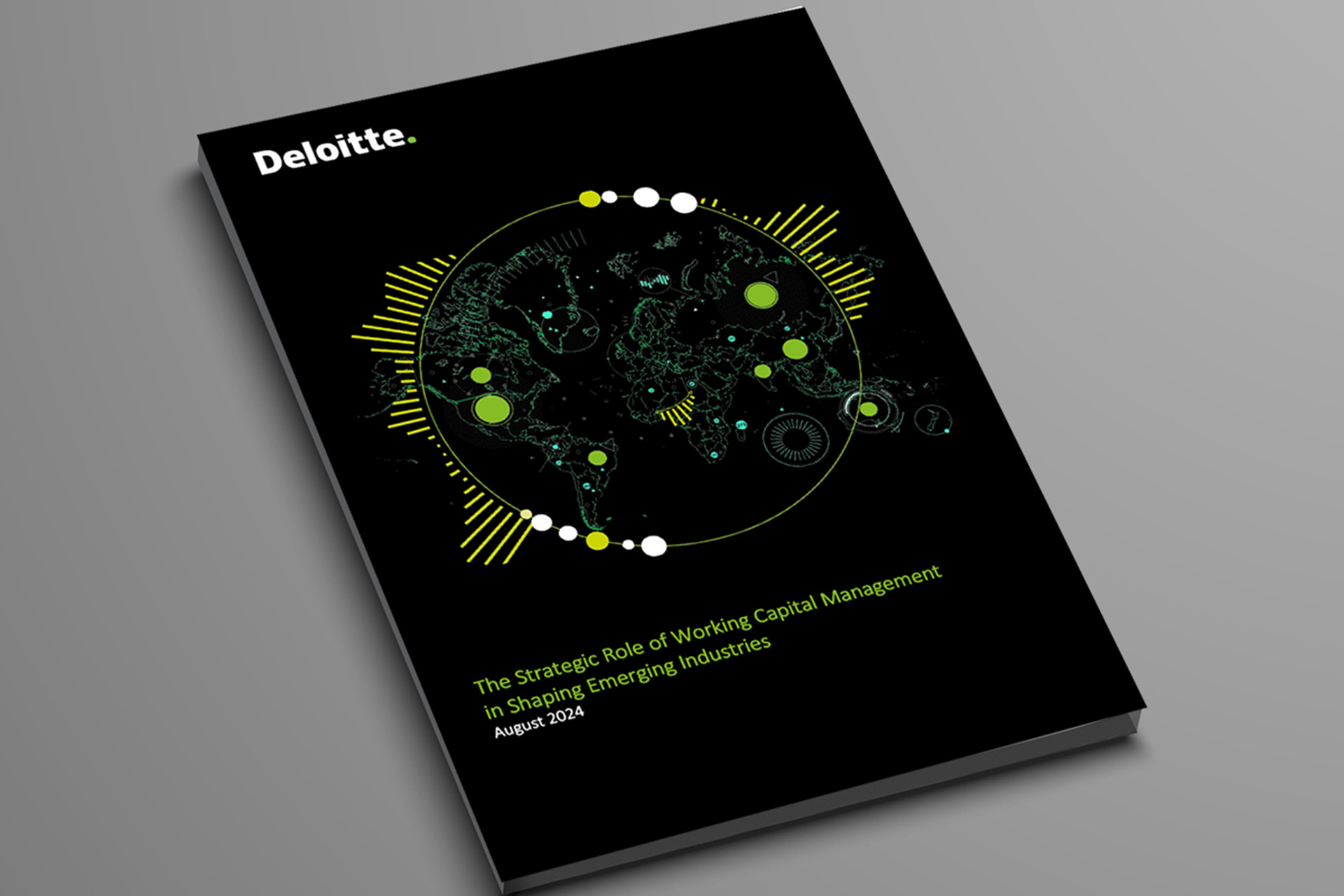
Klear partnered with Deloitte to research how emerging industries can navigate these challenges. Download the full report Here→